
Car Maintenance and Auto Insurance: What Is Covered and What Is Not
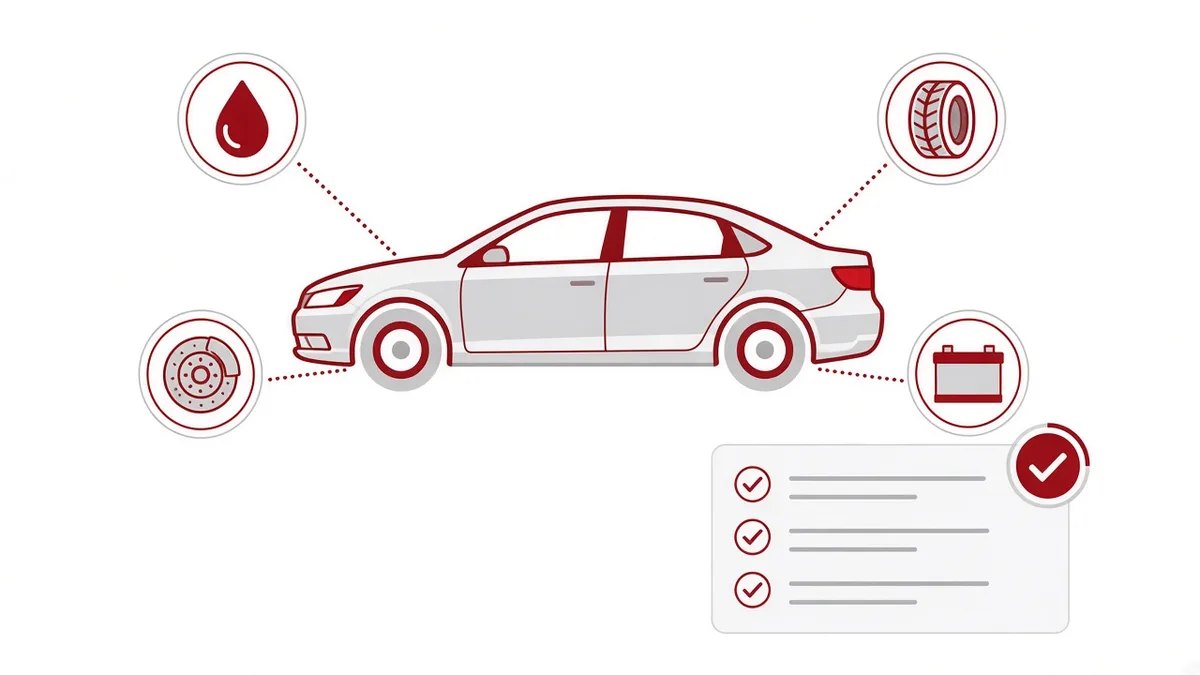
Many drivers assume their auto insurance will pay when the car needs work. In most cases it will not. Auto insurance is built to respond to sudden, accidental losses, while keeping a vehicle in good shape is the owner's job. Understanding where that line sits helps you budget for upkeep, avoid surprises at claim time, and use your maintenance records to your advantage.
My Auto Care Pro is an advertising and referral service. It is not an insurance company and does not set rates or decide coverage. Policies vary by insurer and state, so read your own policy.
What Auto Insurance Is Designed to Cover
Auto insurance pays for specific kinds of loss, depending on the coverages you choose:
- Collision helps pay to repair or replace your car after a crash with another vehicle or object.
- Comprehensive helps with non-crash losses such as theft, vandalism, fire, hail, flooding, and hitting an animal.
- Liability pays for injuries and damage you cause to others, not for your own car.
All of these respond to a sudden event. None of them is a maintenance plan.
What Is Usually Not Covered
Routine upkeep and ordinary aging are generally excluded:
- Oil changes, filters, fluids, and scheduled service
- Tire wear, brake pad and rotor wear, and battery replacement
- Mechanical or electrical failure caused by age or wear
- Rust, corrosion, and gradual deterioration
- Damage that results from neglected maintenance
Whether a given loss counts as wear and tear or as a covered event can be a judgment call, which is why it is worth asking your insurer about a specific situation before you assume.
Mechanical Breakdown Is a Separate Product
Some drivers buy protection for breakdowns, such as a manufacturer warranty, a vehicle service contract, or mechanical breakdown coverage. These are different from auto insurance, with their own terms, exclusions, and costs. They are not part of a standard auto insurance policy, and My Auto Care Pro does not issue them. If you are considering one, read what it covers and what it excludes before you buy.
How Maintenance Can Affect a Claim
Poor maintenance does not automatically cancel your coverage, but it can complicate a claim:
- Damage caused by neglect may be excluded. For example, engine damage from running without oil is generally treated as a maintenance failure, not an accident.
- A crash is usually handled as a crash. If worn tires or brakes contribute to an accident, collision and liability coverage typically still apply, but the insurer may look closely at the circumstances. Ask your insurer how your policy treats it.
- Safety defects and recalls matter. Open recall items are a safety risk, and the repair is generally free, so it is worth having them fixed.
Records That Help When You File a Claim
Good records do not guarantee a payout, but they can support your side:
- Service history shows the vehicle was cared for, which can help support its condition and value if it is totaled.
- Receipts for new tires, batteries, or major repairs can help document upgrades.
- Photos of the car's condition from time to time make it easier to show what was there before a loss.
Keep them in one place, either a folder or a digital copy, and update them after each service.
Check for Open Recalls
Manufacturers issue recalls for safety defects, and the repair is generally free at an authorized dealer. You can look up your vehicle by its identification number (VIN) on the federal recall lookup, and it is worth checking after buying a used car. Our new car insurance checklist covers other steps to take when you change vehicles.
Equipment That May Matter to Your Policy
Some insurers offer discounts for anti-theft devices or safety features. Keep those systems working, and tell your insurer if you add or remove one. Ask which features qualify, since discounts and eligibility vary.
Budgeting for Upkeep and Deductibles
Because insurance will not pay for routine care, set aside money for maintenance. Also keep in mind that when a covered loss does occur, you pay your deductible first. If you moved recently, our guide to moving to a new state explains other policy changes to review.
Questions to Ask Your Insurer or Agent
- How does my policy treat wear and tear versus a sudden loss?
- Does neglected maintenance affect how a claim is handled?
- Which safety or anti-theft features can earn a discount?
- What documents help if my car is totaled?
- Are mechanical breakdown or service contract products different from my policy?
Sources and Further Reading
Frequently Asked Questions
Does auto insurance cover routine maintenance?
Generally no. Oil changes, tires, brakes, and other upkeep are the owner's responsibility.
Will my insurance pay if my engine fails?
Usually not if the failure comes from wear, age, or neglected maintenance. A covered event, such as a crash or fire, is treated differently.
Can skipping maintenance affect a claim?
It can. Damage caused by neglect may be excluded, and the insurer may look closely at how a loss happened.
Is a vehicle service contract the same as auto insurance?
No. It is a separate product with its own terms, and it is not part of a standard auto policy.