
Preventive Car Maintenance: Simple Steps to Keep Your Vehicle Reliable
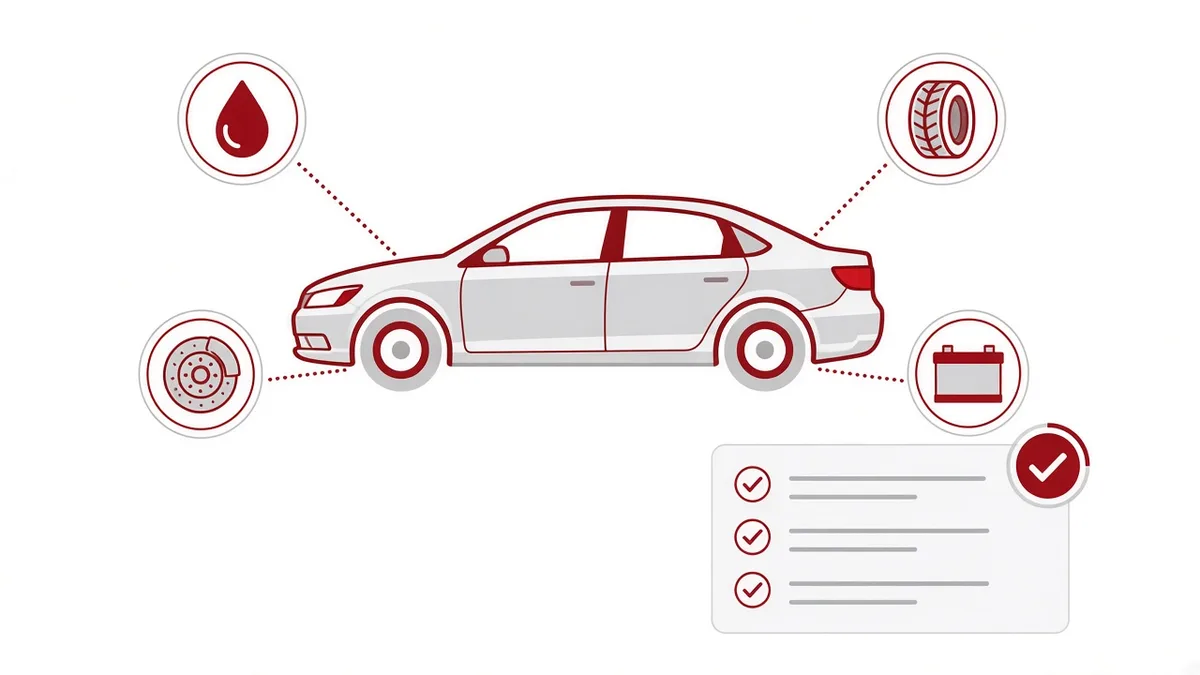
Your vehicle is one of the most important parts of your daily life. Whether you use your car for commuting, family responsibilities, or business, unexpected breakdowns can create stress, delays, and unnecessary expenses.
Regular vehicle maintenance helps identify potential issues before they become major problems. While every vehicle has different service requirements based on its make, model, age, mileage, and driving conditions, following a consistent maintenance routine can help support safer and more reliable driving.
Why Preventive Car Maintenance Matters
Many vehicle problems start with small warning signs. A minor issue that goes unnoticed can sometimes develop into a larger repair requirement.
Preventive maintenance focuses on checking important vehicle systems regularly, including:
- Engine performance
- Braking components
- Tires and wheel condition
- Fluid levels
- Battery health
- Lights and electrical systems
- Filters and belts
Regular inspections allow drivers to understand their vehicle's condition and address concerns before they affect daily reliability.
Follow Your Vehicle's Maintenance Schedule
Every vehicle manufacturer provides recommended maintenance intervals based on mileage and time.
These schedules may include:
- Oil and filter changes
- Tire rotations
- Brake inspections
- Fluid checks
- Air filter replacement
- Battery inspection
- Engine system checks
Following the recommended schedule can help maintain vehicle performance and identify wear-related issues earlier.
Check Engine Oil and Fluids Regularly
Fluids play an important role in keeping your vehicle's systems operating properly.
Important fluids to monitor include the following.
Engine Oil
Engine oil helps reduce friction between moving engine parts. Old or insufficient oil may affect engine performance.
Coolant
Coolant helps regulate engine temperature and supports proper cooling system operation.
Brake Fluid
Brake fluid is part of the braking system and should be checked according to manufacturer recommendations.
Transmission Fluid
Transmission fluid helps support smooth gear operation in vehicles where service is required.
Always follow your vehicle manufacturer's guidance regarding fluid inspection and replacement.
Do Not Ignore Warning Signs
Your vehicle often provides signals when something needs attention.
Common warning signs include:
- Unusual noises
- Dashboard warning lights
- Reduced braking performance
- Difficulty starting
- Changes in fuel efficiency
- Vibrations while driving
- Unusual smells
Ignoring these signs may allow a small issue to become more complicated.
Keep Your Tires in Good Condition
Tires directly affect vehicle handling and road performance.
Drivers should regularly check:
- Tire pressure
- Tire tread condition
- Uneven wear patterns
- Visible damage
Proper tire care can support better driving control and help your tires perform as expected.
Maintain Your Braking System
Brakes are one of the most important safety systems in any vehicle.
During routine inspections, technicians may check:
- Brake pads
- Rotors
- Brake fluid condition
- Signs of uneven wear
If you notice unusual sounds, vibrations, or changes in braking response, consider having your vehicle inspected.
Keep Service Records Organized
Maintaining a record of your vehicle's service history can help you:
- Track completed maintenance
- Understand future service needs
- Provide information when selling your vehicle
- Make better repair decisions
A complete service history gives you a clearer picture of your vehicle's condition over time.
Professional Vehicle Care Can Save Time and Stress
Many vehicle owners wait until a problem occurs before visiting a repair professional. However, regular inspections and scheduled maintenance can help detect concerns earlier.
A qualified technician can help evaluate vehicle systems, explain recommended services, and provide information based on your vehicle's specific condition.
The right maintenance approach depends on factors such as:
- Vehicle type
- Mileage
- Driving habits
- Manufacturer recommendations
- Current vehicle condition
Final Thoughts
Taking care of your vehicle does not have to be complicated. A consistent maintenance routine, attention to warning signs, and professional inspections when needed can help you stay informed about your vehicle's condition.
A well-maintained vehicle supports a smoother ownership experience and helps you make better decisions about repairs and servicing.
If you want to review the vehicle protection options available for your car, you can request information and a representative may contact you to explain the choices that apply to your situation.
Frequently Asked Questions
How often should I service my car?
Service intervals vary depending on your vehicle's manufacturer recommendations, mileage, age, and driving conditions. Check your owner's manual or consult a qualified automotive professional for guidance specific to your vehicle.
Is preventive maintenance necessary for older vehicles?
Yes. Older vehicles may require more frequent inspections because components can experience wear over time. Regular checks can help identify maintenance needs earlier.
What are the most important car maintenance tasks?
Common maintenance tasks include oil checks, tire inspections, brake checks, fluid inspections, and following your vehicle's recommended service schedule.
Can regular maintenance prevent all repairs?
No vehicle maintenance program can eliminate every possible repair need. However, regular inspections can help identify issues early and support better vehicle reliability.